A Multi-Pronged Approach to Conflict Prevention
Securing Trash
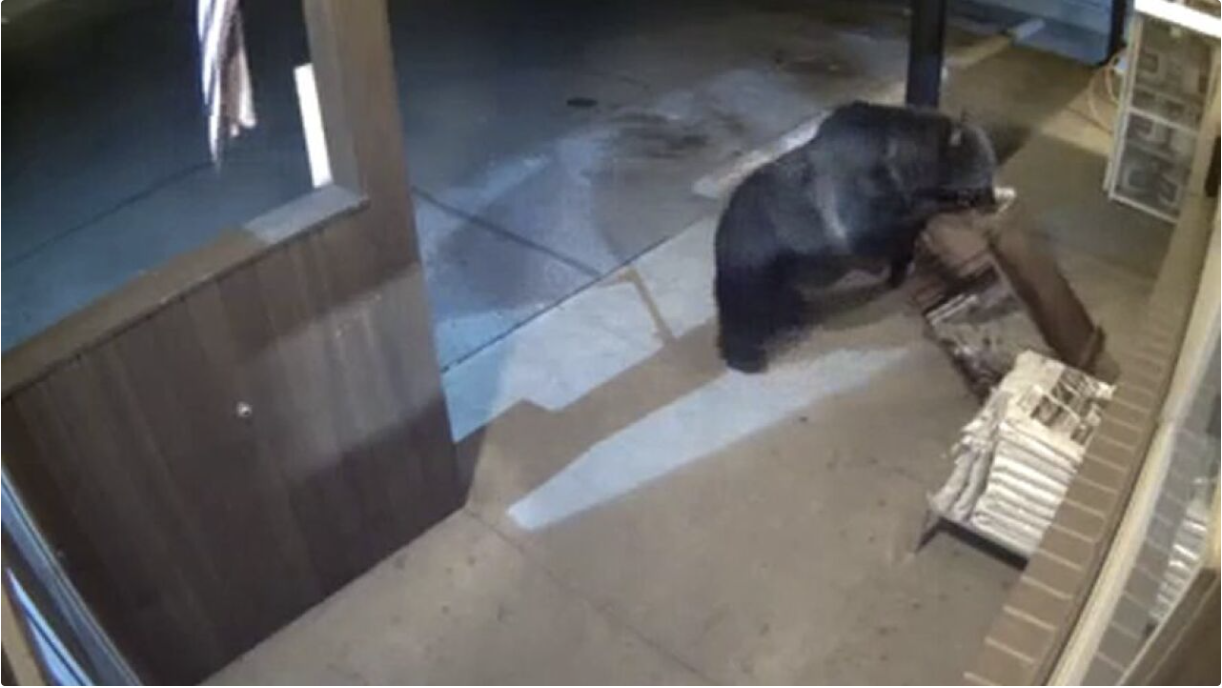
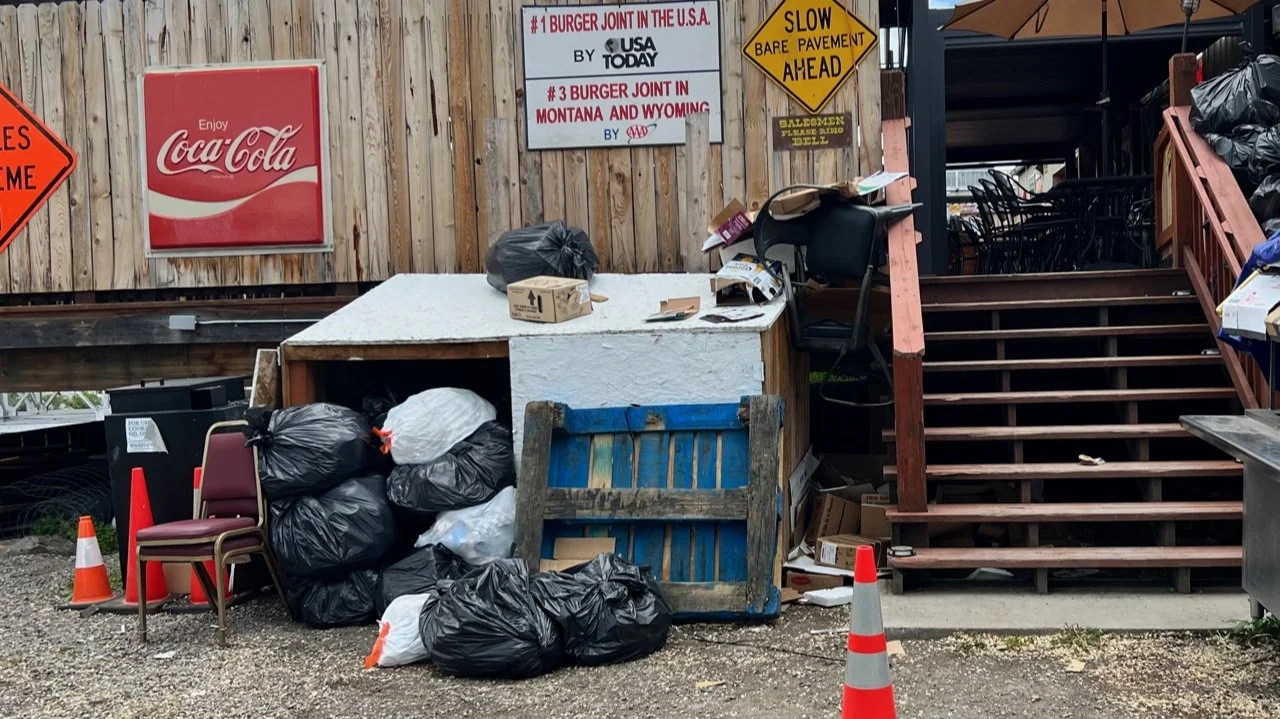
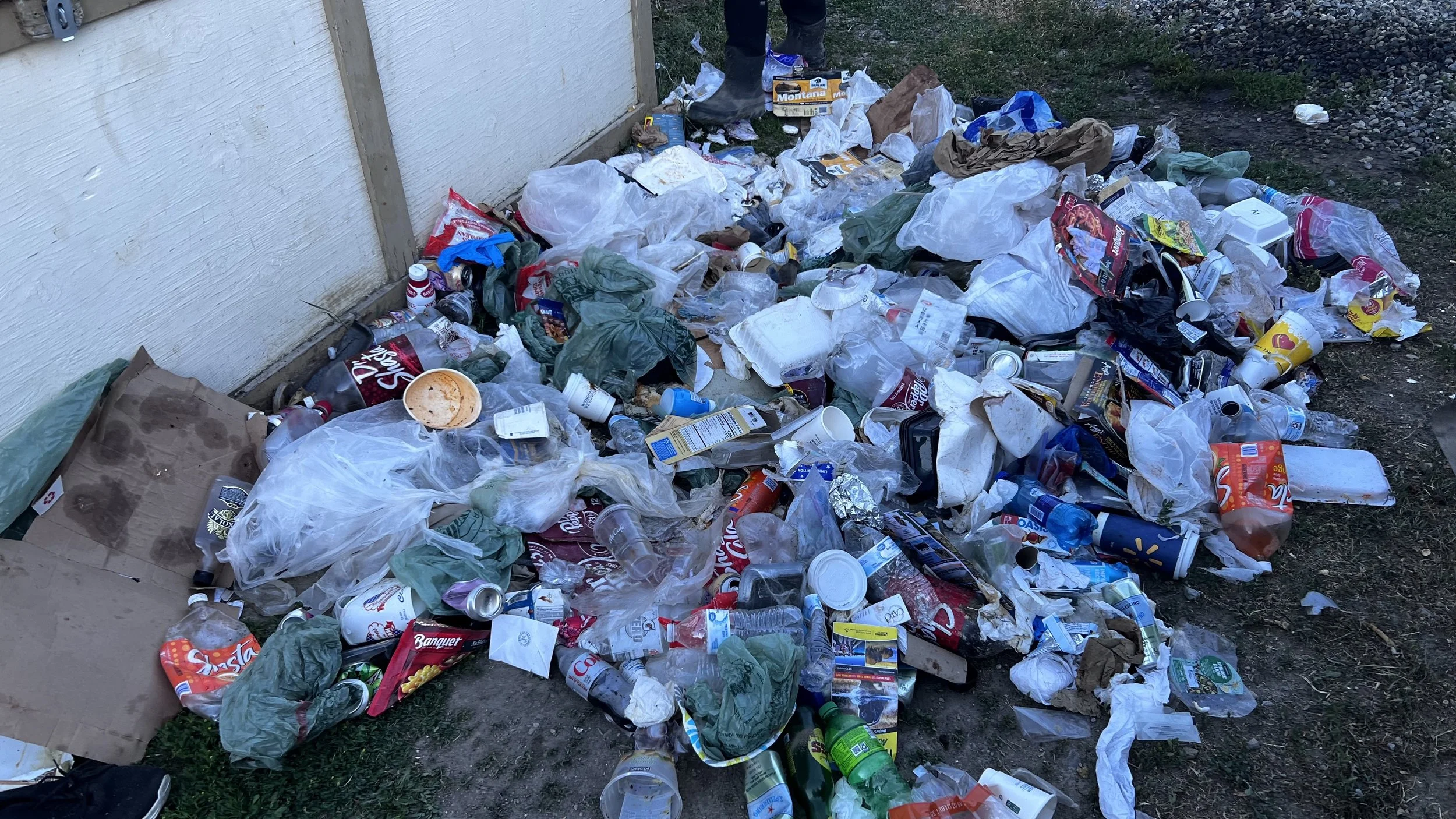
Trash is one of the biggest draws for bears entering a community — and one of the easiest problems to solve. A bear that finds an easy meal in a garbage can will keep coming back, and keep getting closer to homes, schools, and businesses each time. Once a bear associates people with food, the risk grows for everyone — and the outcomes for that bear are rarely good.
Securing trash with bear-resistant containers breaks that cycle before it starts. It's a simple, proven step that keeps bears wild, keeps neighborhoods safe, and gives both people and bears the best chance at sharing this landscape long-term.
BAG offers a free can to residents of Gardiner, Jardine, Cooke City, Silvergate and the rural communities of Paradise Valley. For businesses (including vacation rentals) we offer a 50/50 cost share for cans or other trash solutions.
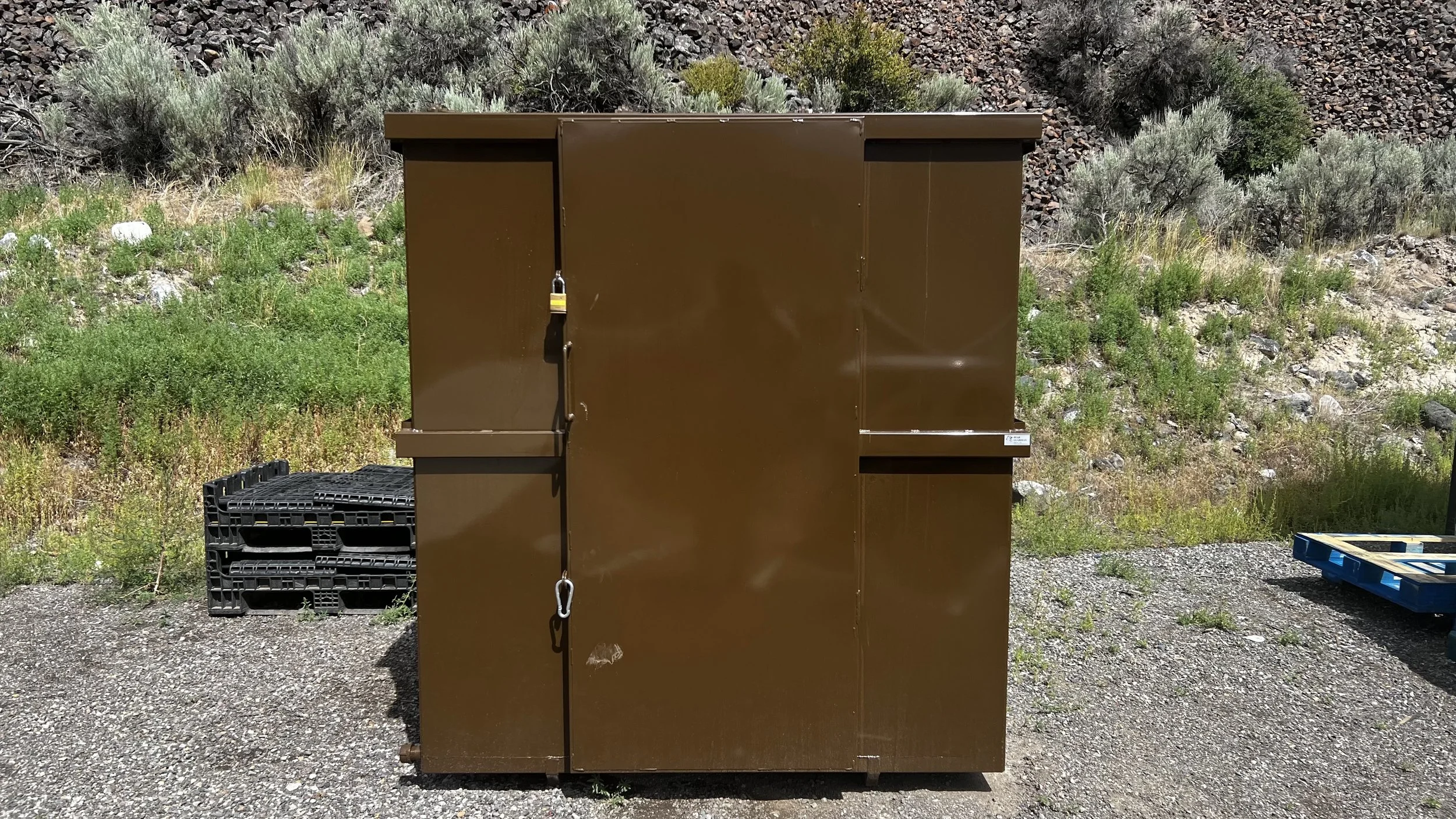
As part of our mission to secure the entire waste stream in Park County, we are also working with the Upper Yellowstone Watershed Group, and other partners to update and secure the green box sites throughout Paradise Valley.
Fruit Gleaning
Apple, crabapple, plum and chokecherry trees are some of the strongest bear attractants in our communities. In late summer and fall, bears eat almost around the clock to put on weight before winter. A single tree heavy with ripe or fallen fruit can be enough to pull a bear out of the hills and into town.
Bears often come for the fruit, but stay for the trash. Once a bear is in a neighborhood looking for apples, it starts finding other easy meals nearby: an unsecured garbage can, bird feeders, pet food, a chicken coop. Fruit trees are often the first step that turns a passing bear into a regular visitor. The more a bear learns to link people with food, the bolder it gets, and those situations rarely end well for the bear.
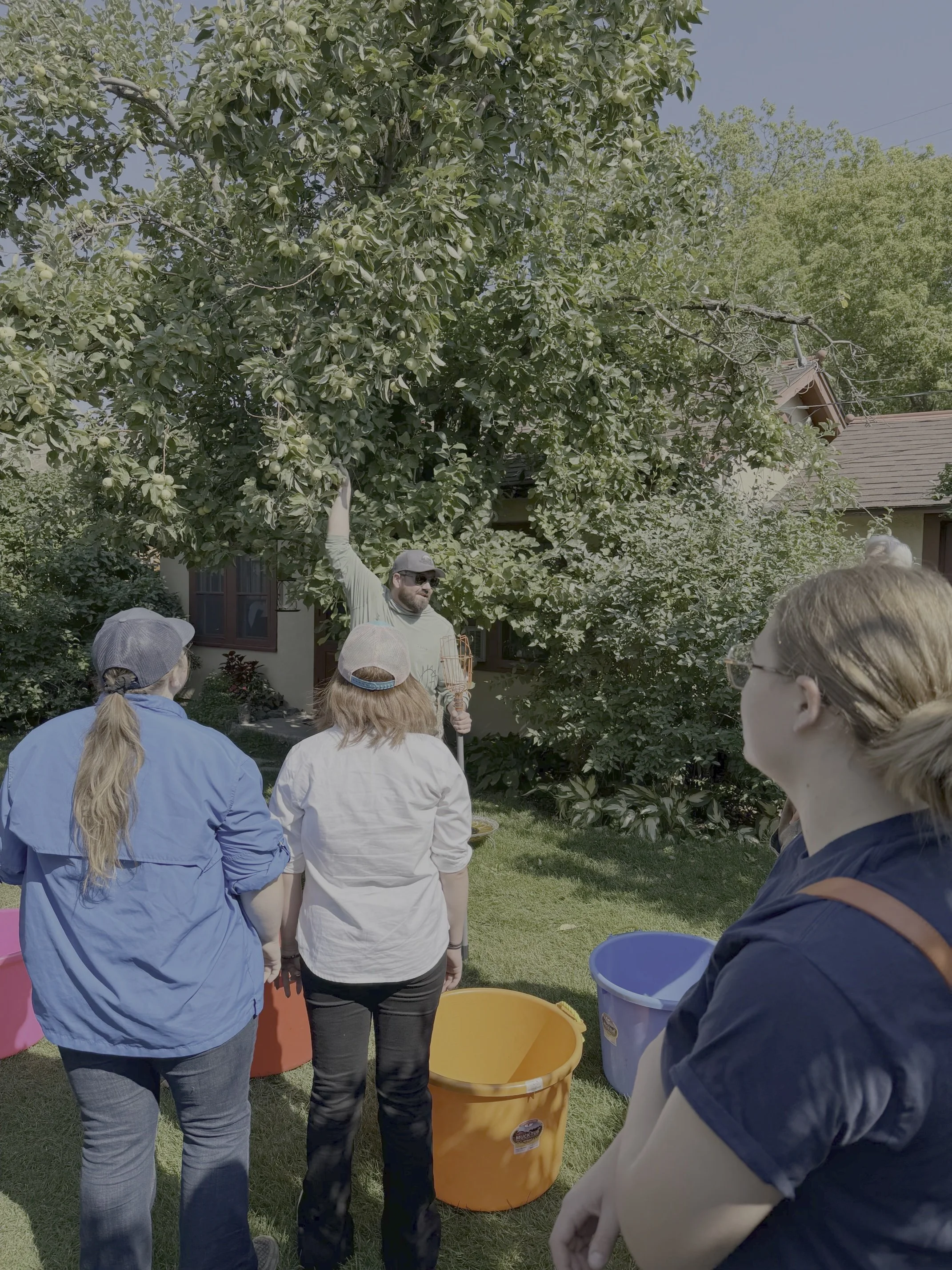
Our fruit gleaning program helps homeowners stay ahead of the problem. We help pick ripe fruit before bears find it and clean up the fruit that has fallen to the ground. Gleaned fruit can go to good use instead of going to waste. For trees that cause trouble year after year, we also offer fruit tree replacement, swapping the tree for one that doesn’t draw bears. Together these steps take away one of the main reasons bears come into town in the first place.
Fruit gleaning is currently available to residents in Gardiner and Paradise Valley. Request a gleaning visit on our Communities page.
Electric Fencing
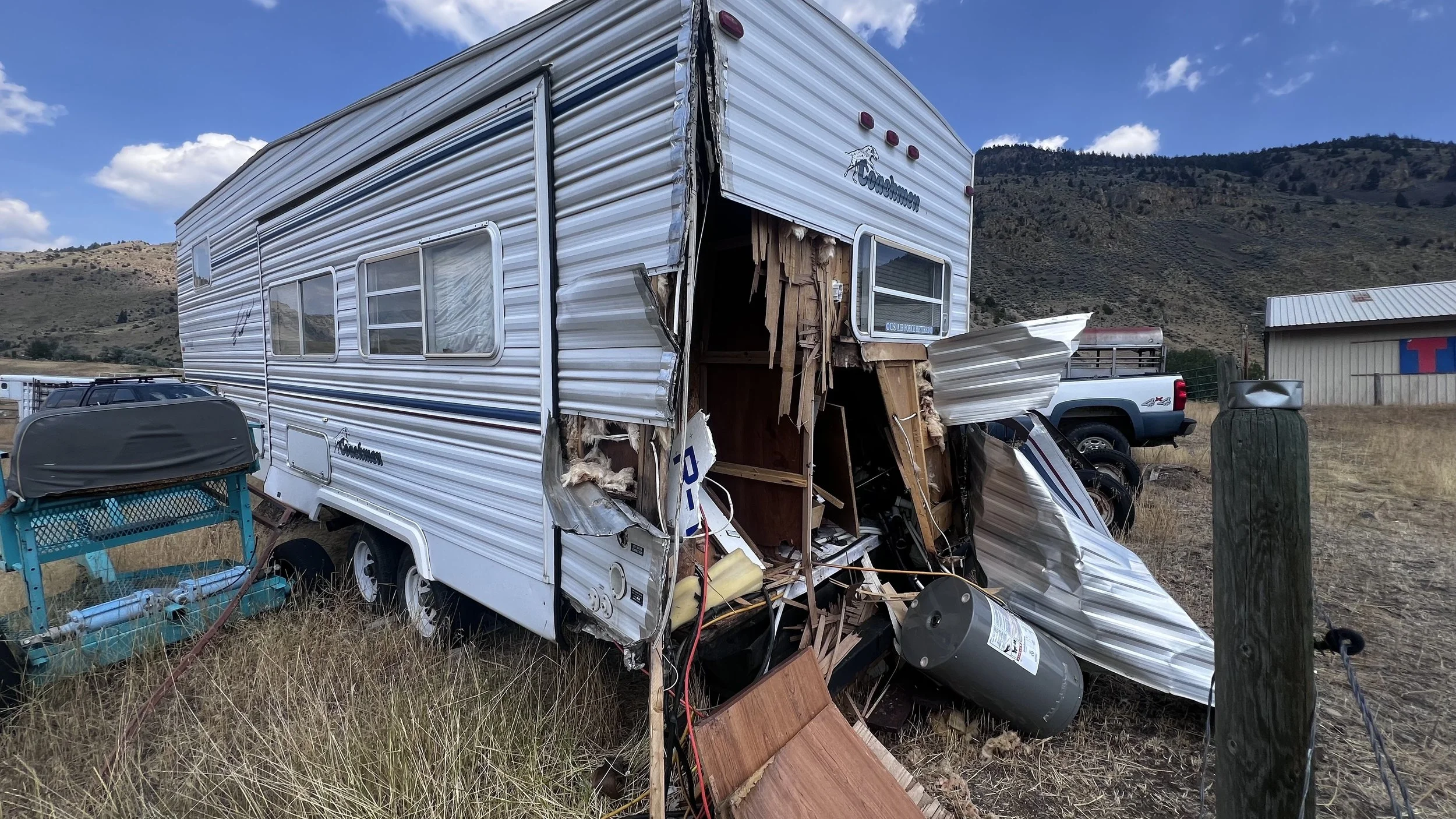
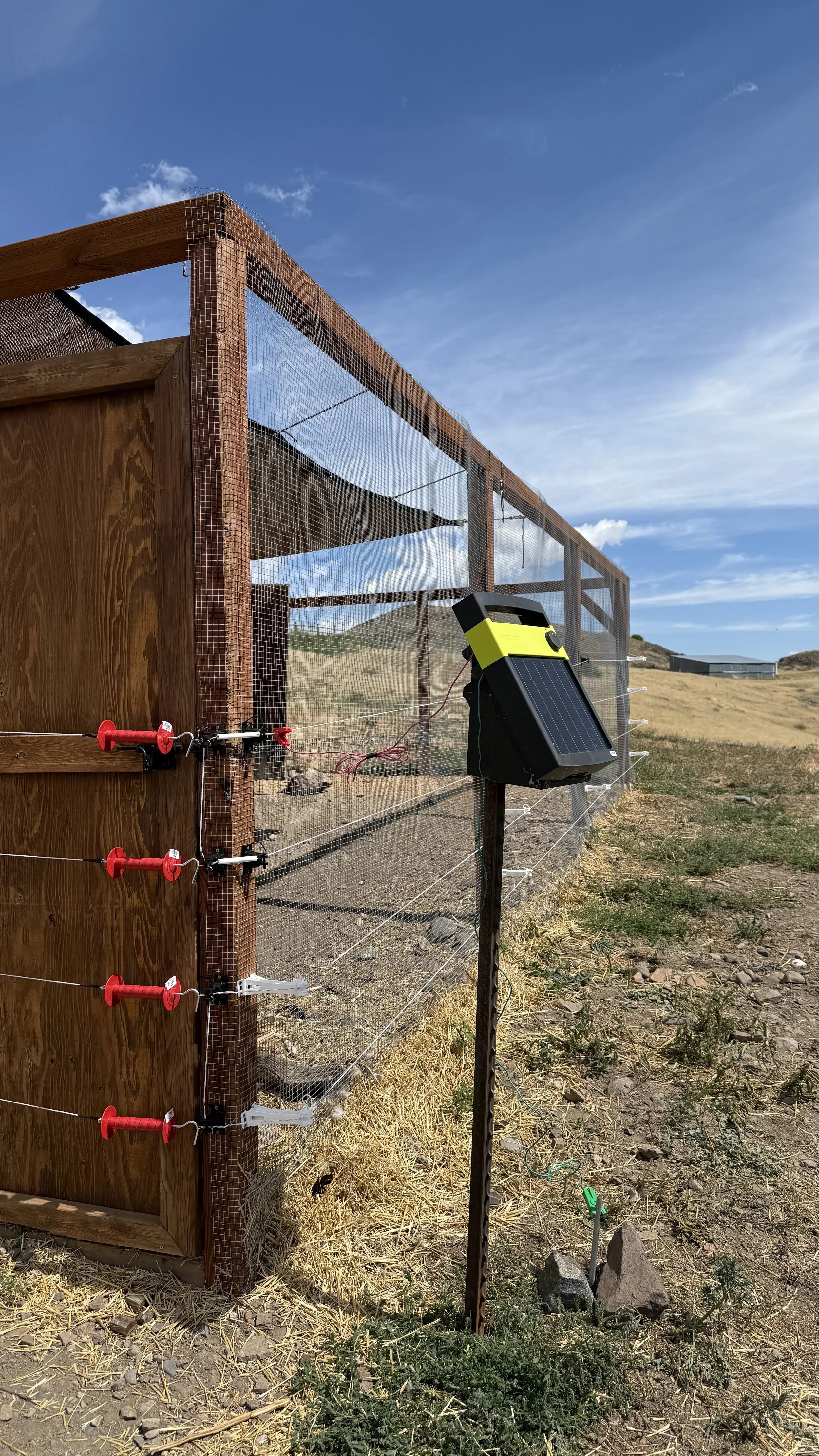
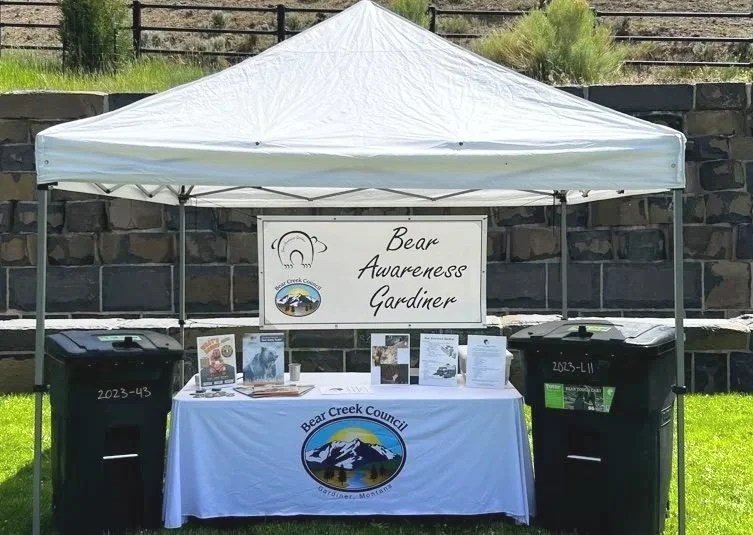
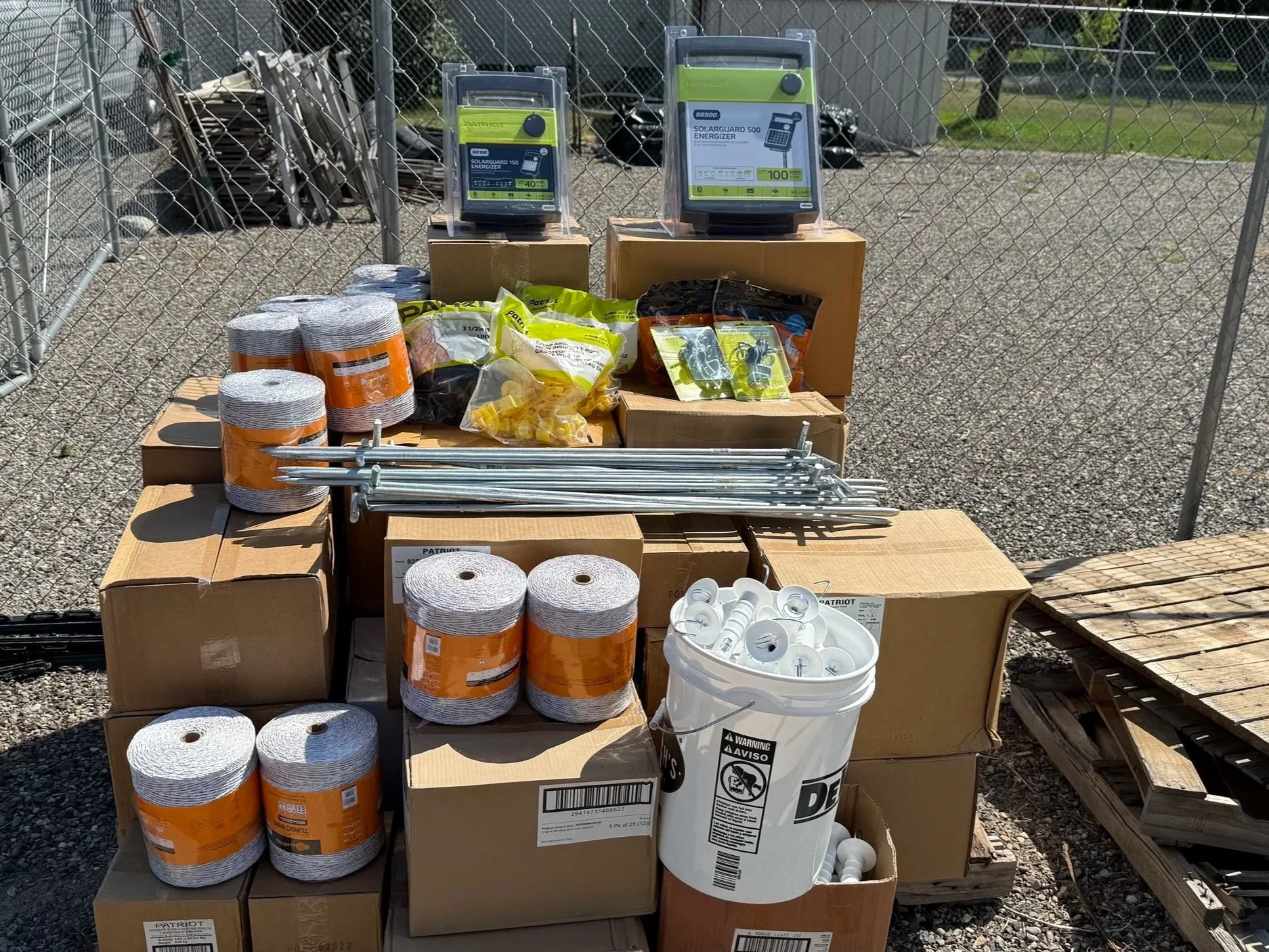
Electric fencing is one of the most effective tools for protecting attractants that can't simply be locked away. Orchards, beehives, bone piles, and chicken coops all draw bears with the promise of an easy meal — and a fence that delivers a brief, harmless shock teaches bears to stay away before a habit ever forms. Unlike permanent barriers, electric fencing is flexible enough to protect everything from a backyard coop to a working apiary, making it one of the best lines of defense for both small landowners and larger operations.
Electric fencing is currently available to residents in Gardiner, Paradise Valley, and Cooke City.
Information, Education and Outreach
Bear-resistant cans and electric fences only work when people know why they matter and how to use them. A can left unlatched, a bird feeder put out too early, a cooler left in the truck bed: most conflicts come down to small, everyday habits. That’s why education is the base of every successful Bear Smart Community. When residents, businesses and visitors understand how bears behave and what draws them in, the whole community does its part to keep them out.
In gateway communities like ours, education never really stops. New residents move in, seasonal workers arrive every spring, and millions of visitors pass through on their way to Yellowstone. Many of them have never lived alongside grizzly or black bears. One person who doesn’t know the rules can undo a whole neighborhood’s efforts and put a bear on the path toward conflict.
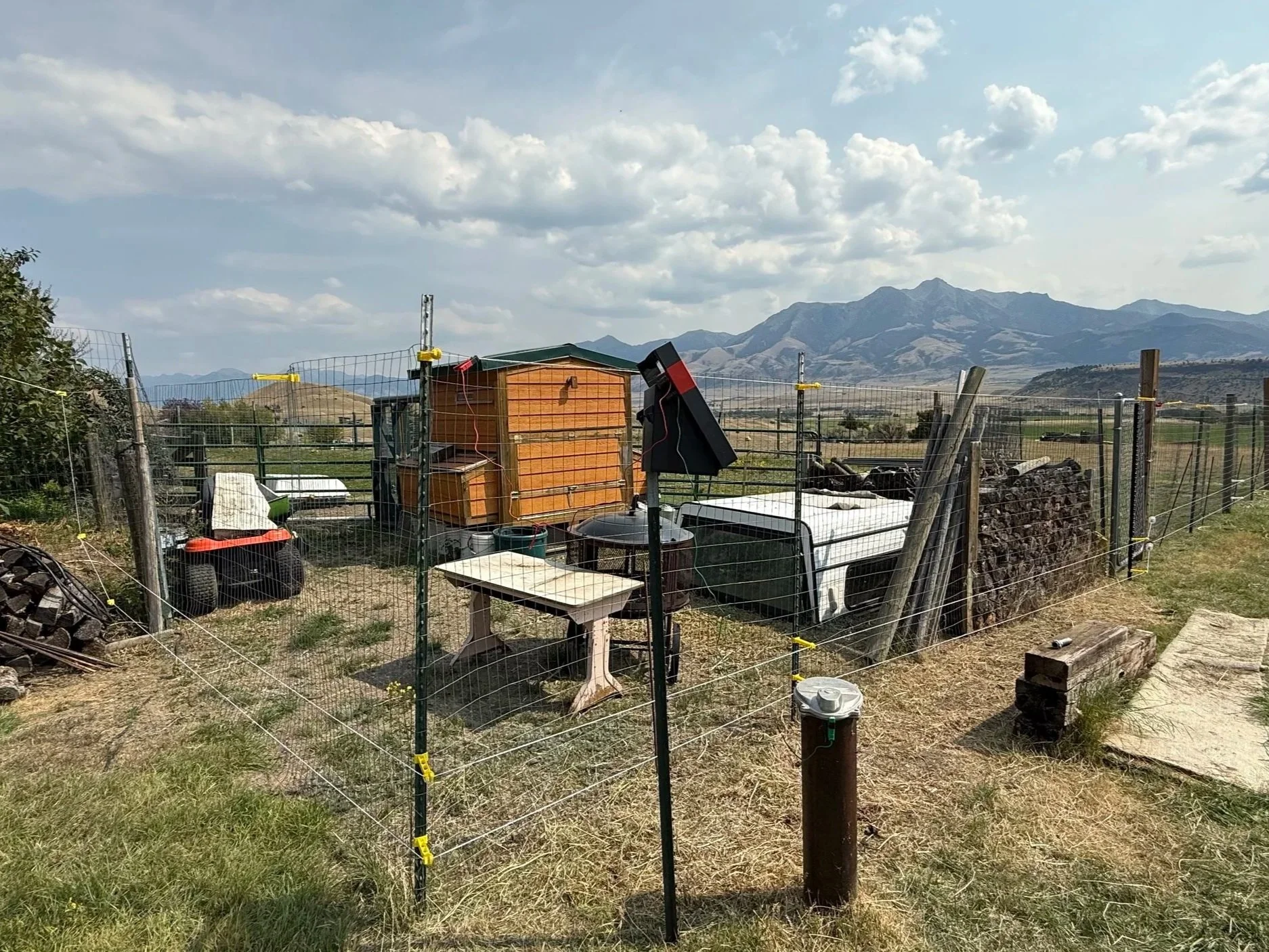
BAG works to reach everyone who shares this landscape. We give community talks, run booths at local events and markets, and lead trainings for guides and outdoor businesses. We also hand out free bear spray and have set up bear spray disposal boxes at local green box sites. Our Bear Ambassador volunteers help spread the word, and we provide handouts, signs and interpretive displays that explain how to live safely with bears. We also offer site visits, where we walk your property with you and recommend simple ways to secure attractants. Through the BAG Working Group, we bring residents, businesses and land managers together to solve problems as a community.
Want us to speak to your group, attend your event or visit your property? Reach out through our Contact page.